When it comes to industrial and commercial piping systems, pressure ratings are a critical factor in ensuring safety and efficiency. Schedule 80 PVC pipe fittings, offered by LESSO America, are designed to handle higher pressure levels than their Schedule 40 counterparts. This makes them a dependable choice for systems that transport pressurized fluids in challenging environments.
What Defines a Pressure Rating?
A pressure rating indicates the maximum pressure a pipe or fitting can safely withstand. For Schedule 80 PVC pipe fittings, this rating is determined by wall thickness, material properties, and temperature limits. LESSO America manufactures its fittings with uniform, thick walls that offer greater mechanical strength, making them well-suited for high-pressure operations.
Temperature and Pressure: A Connected Equation
It’s important to understand that pressure ratings are closely linked to temperature. As temperature increases, the pressure rating of PVC fittings decreases. For instance, a fitting rated for 280 PSI at 73°F may have a significantly lower rating at 140°F. LESSO America provides clear documentation to help users choose fittings that match both their pressure and temperature needs.
Common Applications for High-Pressure Fittings
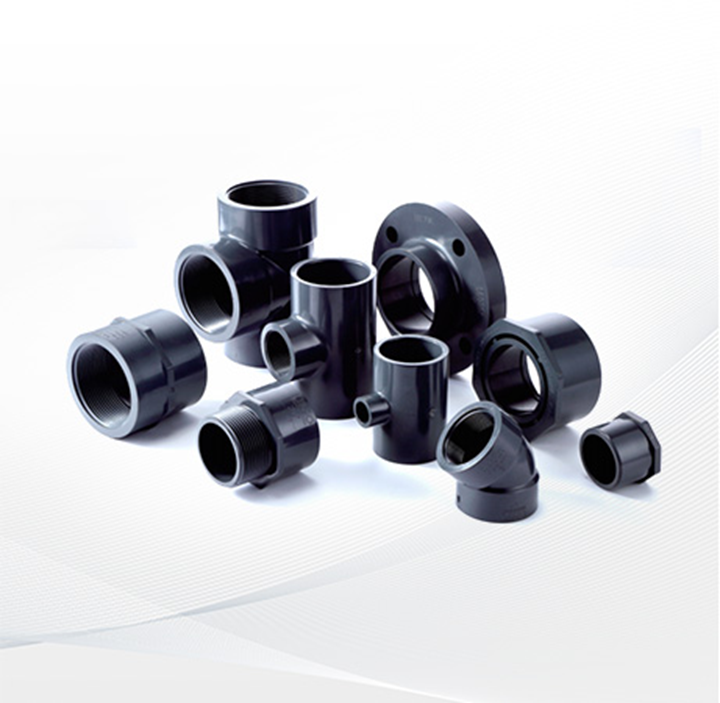
Schedule 80 PVC pipe fittings are frequently used in applications such as chemical processing, water treatment plants, and industrial fluid systems. These settings often involve elevated pressure levels, which demand fittings that can maintain integrity under stress. LESSO America offers a wide variety of options—such as tees, elbows, couplings, and adapters—suited to meet these specific challenges.
Conclusion
Understanding pressure ratings is key to designing and maintaining reliable plumbing systems. Schedule 80 PVC pipe fittings from LESSO America offer the strength required for high-pressure applications, provided they are used within the recommended parameters. With careful selection and installation, professionals can build systems that operate safely and efficiently for years to come.

Leave a Reply