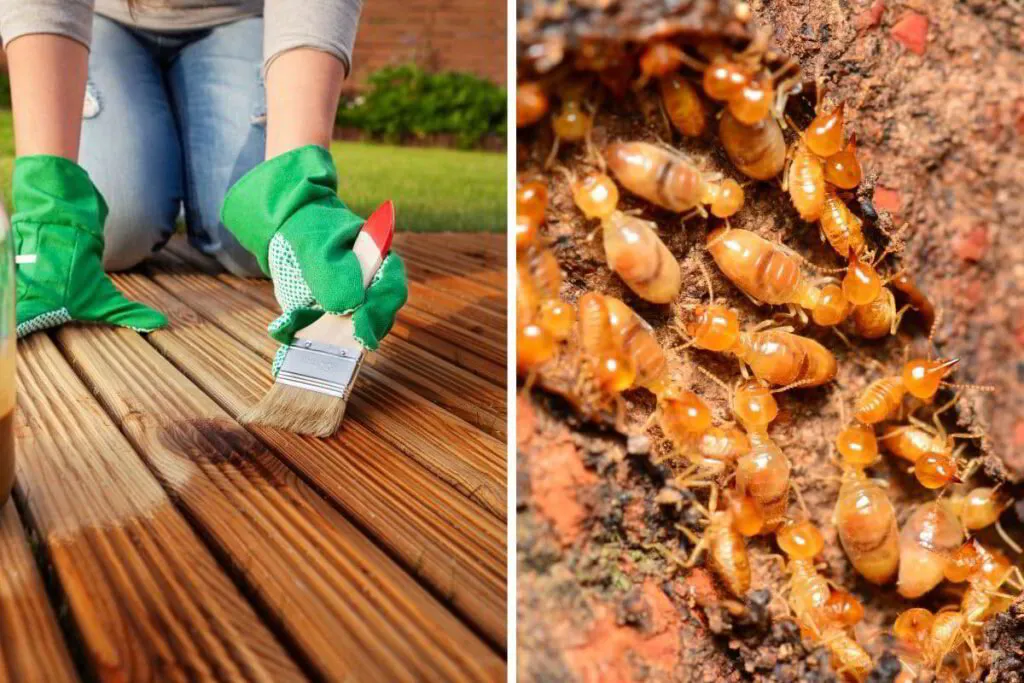
In the contemporary world of property maintenance and structural preservation, the quest for effective methods to eliminate termites has become a sophisticated science 消滅白蟻方法. These resilient insects, capable of causing billions of dollars in damage annually, require more than just superficial treatments; they demand a multi-layered, strategic approach that addresses the colony at its source. As we move through two thousand twenty-six, the integration of traditional chemical barriers with revolutionary biological and digital technologies has provided homeowners and facility managers with a robust toolkit for defense. Understanding these diverse methodologies is essential for anyone looking to protect their investment from the “silent destroyers” that threaten the very timber and foundation of our living spaces.
The most traditional yet refined approach remains the application of liquid soil termiticides, which creates a continuous chemical barrier around the perimeter of a structure. Modern methods to eliminate termites have transitioned away from older, repellent chemicals that simply turned the insects away, toward non-repellent formulations. These advanced liquids are undetectable to termites, allowing them to crawl through the treated zone and inadvertently collect the active ingredients on their bodies. Through a biological phenomenon known as the “transfer effect, ” these contaminated individuals return to the nest and pass the termiticide to their peers through grooming and feeding. This method is particularly effective for subterranean species, as it utilizes the social nature of the colony to ensure its own destruction from the inside out.
For those seeking a more targeted and less invasive solution, the installation of baiting systems has emerged as a premier choice in two thousand twenty-six. This method involves placing strategically located monitoring stations around the property containing cellulose material laced with slow-acting insect growth regulators. Termites find these stations more attractive than the structural wood of the home and begin to feed exclusively on the bait. Because the active ingredient inhibits the molting process, the termites are unable to grow or repair their exoskeletons, leading to a gradual but total colony collapse. The primary advantage of this method is its precision; it requires no trenching or drilling into the foundation, making it an ideal choice for historic homes or properties with complex landscaping where minimal disruption is a priority.
In cases involving drywood termites, which live entirely within the wooden components of a building rather than the soil, full-structure fumigation remains the most definitive of the methods to eliminate termites. This process involves “tenting” the entire building and introducing a specialized gas that penetrates deep into the heart of every timber, beam, and furniture piece. While this requires the residents to vacate the premises for a few days, it is the only way to ensure that every single termite, including those hidden deep within inaccessible wall voids, is eradicated. In two thousand twenty-six, fumigation technology has improved significantly, with new gas formulations that dissipate more rapidly and leave zero residue, allowing families to return to a safe and pest-free home sooner than ever before.
Localized heat treatment is a highly effective, non-chemical alternative that has gained popularity for its environmental friendliness and targeted efficiency. By using high-capacity heaters and specialized blowers, technicians can raise the temperature of a specific area—such as a localized drywood termite infestation in an attic or a crawl space—to approximately one hundred fifty degrees Fahrenheit. Since termites are cold-blooded and highly sensitive to thermal changes, they cannot survive these temperatures. This method is particularly useful for apartment complexes or sensitive environments where the use of synthetic chemicals is restricted. It offers a “one-day” solution that allows for immediate re-entry, making it one of the most convenient methods to eliminate termites for modern urban dwellers.
Biological control represents the next frontier of sustainable pest management, utilizing the natural enemies of termites to achieve suppression. In two thousand twenty-six, the use of beneficial nematodes—microscopic roundworms—has become a standard tool for organic-minded property owners. When introduced into the soil around a colony, these nematodes actively seek out termites and release a symbiotic bacteria that eliminates the host within forty-eight hours. Similarly, entomopathogenic fungi can be applied to infested areas; the fungal spores attach to the termites and grow through their cuticles, eventually spreading through the colony like a natural plague. These biological methods offer a chemical-free path to protection, preserving the health of the surrounding ecosystem while effectively neutralizing the termite threat.
Physical barriers and structural modifications are the proactive pillars of integrated pest management. Methods to eliminate termites often begin with removing the conditions that attract them in the first place. This includes installing stainless steel mesh or specialized sand barriers during the construction phase, which are physically impossible for termites to penetrate. Furthermore, managing moisture is critical; by ensuring that gutters are clear, downspouts are directed away from the foundation, and crawl spaces are properly ventilated, homeowners can eliminate the damp environments that subterranean termites require to survive. In the current year, the use of “borate-treated” lumber is also common, as the mineral-based treatment makes the wood toxic to termites while remaining safe for human inhabitants.
The integration of artificial intelligence and digital monitoring has brought termite defense into the smart home era. Modern baiting systems are now equipped with wireless sensors that provide real-time alerts to a homeowner’s smartphone at the first sign of activity. This allows for immediate professional intervention before the insects have a chance to enter the structure. By aggregating data from thousands of these sensors, pest control companies can now predict termite “swarming seasons” with high accuracy, allowing for preemptive strikes that stop infestations before they start. This shift from reactive treatment to proactive prevention is perhaps the most significant advancement in the history of the industry, saving property owners countless thousands in potential repair costs.
Ultimately, the most successful strategy involves a combination of these various methodologies tailored to the specific needs of the property and the species of termite present. No single method is a universal cure; instead, a comprehensive “defense-in-depth” approach provides the highest level of security. By staying informed about the latest technological and biological advancements, and by partnering with certified professionals who utilize integrated pest management, homeowners in two thousand twenty-six can rest assured that their structures are shielded from one of nature’s most persistent threats. The goal is not just the temporary removal of pests, but the long-term preservation of the places we call home through science, strategy, and vigilance.
The evolution of these techniques continues to push the boundaries of what is possible in structural protection. As we look toward the future, we can expect even more refined solutions, perhaps utilizing pheromone-based lures that can lead entire colonies into a state of “self-extermination” or nano-coatings that make timber completely indigestible. Regardless of the specific tool used, the commitment remains the same: ensuring that the buildings of today and tomorrow are built to last, free from the silent threat of the termite.

Leave a Reply